
Blog
CPAP therapy is generally referred to as a treatment for sleep disorders, yet its importance is much higher than just quiet sleep. Patients suffering from obstructive sleep apnea undergo repeated collapse of the air passages and suffer from lack of oxygen, disruption of sleep and stress activation, and additional burden on the cardiovascular system. Thus, such a nightly cycle could be connected to increased blood pressure, arrhythmia risk, metabolic stress, and decreased cardiac health.
Hospitals, sleep centers, respiratory departments, distributors, and home-care equipment purchasers will all find the correlation between CPAP therapy and cardiac health to be an important purchasing criterion. CPAP should ensure stability of pressure, comfort of the patient, follow-up, and long-term adherence to therapy as its effect largely depends on its usage.
Obstructive Sleep Apnea is more than snoring with episodes of breathing cessation. Obstructive Sleep Apnea involves repetitive narrowing or closure of the upper airway while sleeping, with the result that the body may experience decreased oxygenation and may react with arousal episodes, increased cardiac rate, and increased sympathetic activation of the nervous system. These episodes might go unrecognized by the person in the morning, but his or her cardiovascular system has nonetheless been repeatedly disrupted.
Medical practitioners typically give much importance to the sleep apnea problem among patients who suffer from high blood pressure, coronary artery disease, heart failure, atrial fibrillation, obesity, diabetes, and excessive daytime sleepiness. CPAP therapy is not meant to substitute for the treatment of cardiovascular disease, medications, and obesity, as well as medical supervision.
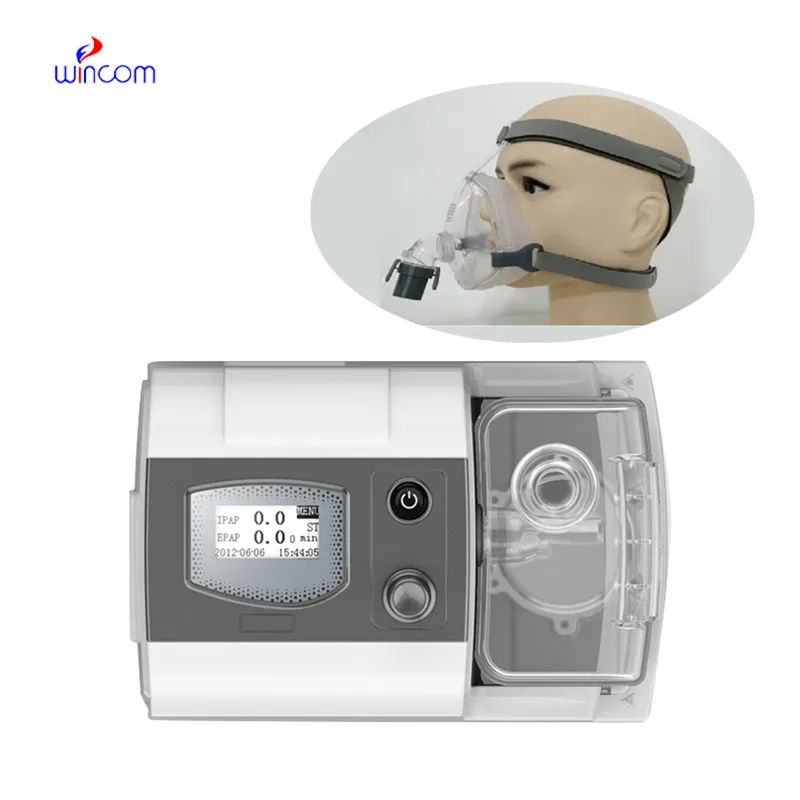
CPAP means continuous positive airway pressure. This equipment supplies pressured air into the system via a mask, making the airways remain patent when asleep. With fewer chances of airway collapse, breathing will be regular; oxygen fluctuations will be minimized and sleep quality enhanced. This is the mechanism by which CPAP therapy can help manage better blood pressure and minimize heart stress at night.
The effect is not identical for every patient. Diagnosis, setting, fit of the mask, usage time, co-morbidities, and follow-up have an impact. This is the reason why the purchaser should never consider CPAPs as common housewares. They are therapy tools that must fit a clinical workflow.
The efficacy of CPAP depends on whether the patient uses it. The discomfort from pressure, leaks, dryness of the nose, noise, psychological problems, and lack of proper information can turn a technically feasible solution into a piece of hardware that never gets used. Adherence is an important criterion for cardiac-oriented programs, which is the link between the product's performance and its benefit to health.
In such a case, it becomes necessary to test CPAP equipment from the perspective of the user experience, including pressure ramping, compensation of leaks, intuitiveness of controls, comfort of humidifiers and masks, and whether staff can explain its use in an understandable manner.
| Feature area | Why it matters for CPAP users and providers |
|---|---|
| Pressure range | Allows clinicians to match therapy needs within the device capability. |
| Auto CPAP function | Can help adapt pressure delivery for patients whose needs vary during sleep. |
| Leak compensation | Reduces the chance that mask leakage undermines effective therapy. |
| Auto start and stop | Makes nightly use easier for patients who struggle with device routines. |
| Altitude compensation | Helps pressure delivery stay appropriate when operating conditions change. |
| Comfort features | Support adherence, especially during the first weeks of therapy. |
| Documentation and support | Help distributors, clinics, and home-care teams manage training and after-sales questions. |
For CPAP procurement, the lowest price can be a poor shortcut. A clinic may save money on the unit but lose value if masks are poorly matched, patient training is weak, replacement parts are hard to obtain, or technical documentation is unclear. The stronger purchasing approach is to evaluate the whole therapy chain: device, mask interface, consumables, training, warranty, import documents, and service response.
Buyers should also separate CPAP from BiPAP requirements. CPAP generally provides one continuous pressure level or auto-adjusting CPAP support, while BiPAP modes involve different inspiratory and expiratory pressures. The correct choice depends on clinical assessment. Procurement teams should confirm which patient group they are serving before building a quotation.
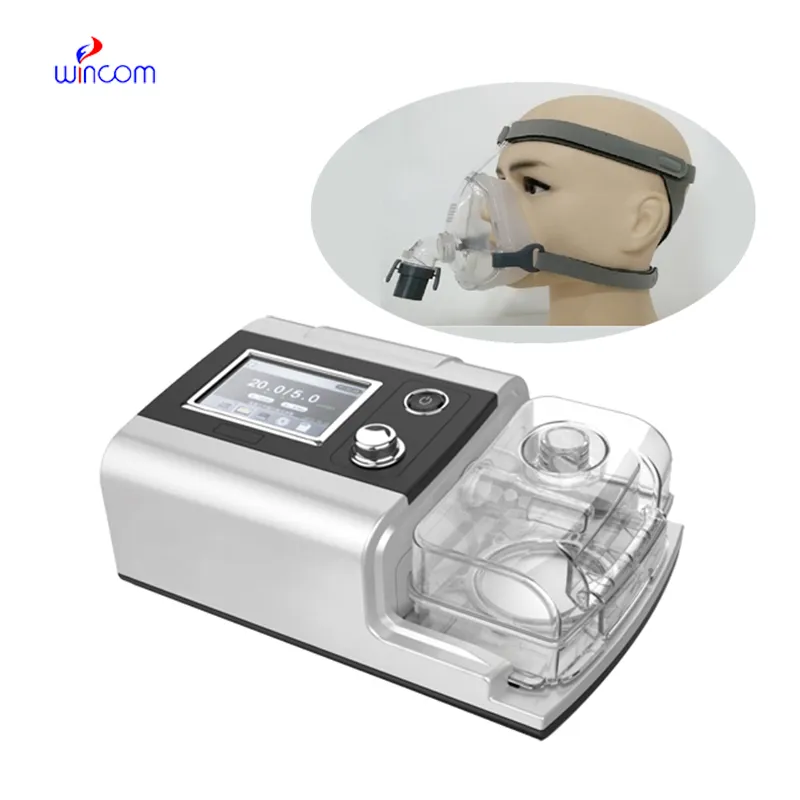
Wincom’s CPAP CPAP-AC9 is a useful option for sleep clinics, respiratory departments, distributors, and home-care equipment programs that need AutoCPAP support in a compact CPAP supply plan. The model is designed around AutoCPAP + BELEX, supports CPAP mode and Auto CPAP mode, and works across a 4-20 cmH2O pressure range, with MaxP and MinP settings also shown within 4-20 cmH2O. Auto-start and auto-stop help simplify nightly use, while automatic leak compensation and automatic altitude pressure compensation support more consistent therapy delivery in real-world use. These details are especially relevant when buyers want a CPAP device that can support adherence-focused sleep apnea care rather than only meet a basic equipment line item.
Request CPAP-AC9 Details: CPAP CPAP-AC9
Because the article topic involves heart health, suppliers and distributors should be careful with claims. CPAP therapy may support cardiovascular health by improving sleep apnea control, reducing oxygen drops, and helping some patients with blood pressure management, but it should not be promoted as a guaranteed cure for heart disease. Diagnosis, prescription, pressure adjustment, and follow-up belong with qualified clinicians.
This cautious language protects both patients and suppliers. It keeps marketing aligned with clinical reality and helps hospitals or home-care providers present CPAP as part of a supervised care pathway.
The first nights of therapy often decide whether a patient continues. Clinics can improve acceptance by explaining why CPAP matters, fitting the mask carefully, addressing dryness or pressure discomfort early, and scheduling follow-up before frustration builds. If a patient understands that better sleep breathing may also reduce cardiovascular strain, the device feels less like a nuisance and more like part of a health plan.
For equipment buyers, this means comfort and usability are not optional extras. They are commercial and clinical risk factors. A device that is easier to start, easier to explain, and easier to support may reduce returns and improve program reputation.
CPAP may support heart health when it effectively treats obstructive sleep apnea, especially by improving breathing stability and reducing repeated oxygen drops. Individual results depend on diagnosis, adherence, pressure settings, and medical follow-up.
Some patients with sleep apnea may see blood pressure benefits from consistent CPAP use, but it is not a substitute for prescribed cardiovascular treatment. Blood pressure management should remain under clinical supervision.
Buyers should review pressure range, CPAP or Auto CPAP modes, leak compensation, comfort features, humidification or mask options, documentation, warranty, accessories, and local regulatory requirements.
The CPAP-AC9 is relevant for buyers building CPAP supply plans for sleep clinics, respiratory departments, home-care programs, or distributors that need AutoCPAP support and clear RFQ parameters.
The link between CPAP therapy and improved heart health begins with better control of obstructive sleep apnea. When breathing is more stable at night, the cardiovascular system may face less repeated stress. For buyers, the right CPAP decision is not only about pressure range or price. It is about building a therapy pathway that patients can use consistently, clinicians can supervise responsibly, and suppliers can support over time.
Note: CPAP use, pressure settings, and cardiovascular treatment decisions should be guided by qualified clinicians and local medical requirements.
E-mail: [email protected]
Tel: +86-731-84176622
+86-731-84136655
Address: Rm.1507,Xinsancheng Plaza. No.58, Renmin Road(E),Changsha,Hunan,China


 EN
EN
 af
af
 es
es
 ar
ar
 tr
tr
 sw
sw
 pt
pt
 th
th
 ur
ur
 bn
bn
 ne
ne
 vi
vi
 km
km
 lo
lo
 de
de
 ru
ru
 fi
fi
 nl
nl
 fa
fa
 fr
fr
 ko
ko