
Blog
As a high-precision and sensitive analytical instrument, gas chromatography is widely used in many fields. Its core role is to separate and quantitatively analyze compounds in complex mixtures. This article will introduce the application of gas chromatographs in environmental monitoring, food safety and chemical analysis.
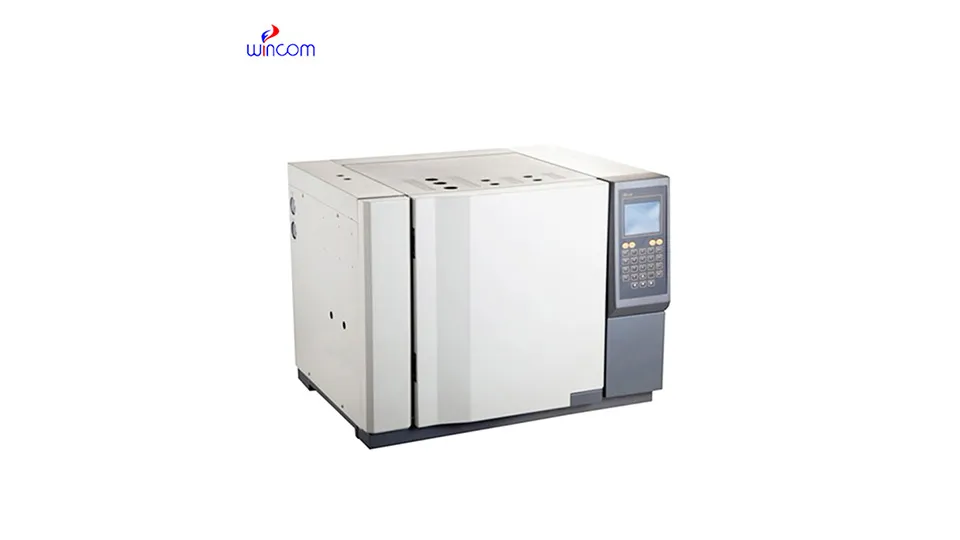
Gas chromatographs can be used to monitor pollutants in the atmosphere, water and soil.
In atmospheric testing, gas chromatographs can analyze volatile organic compounds (VOCs), non-methane total hydrocarbons (NMHC), and benzene derivatives, providing a scientific basis for air quality assessment and pollution source tracking.
In addition, it can detect organic pollutants, pesticide residues, etc. in water body monitoring, contributing to water resource protection. In soil environments, gas chromatographs are used to measure volatile pollutants and organic solvents to help assess contamination levels and develop remediation plans.
In the food industry, gas chromatographs are widely used, covering quality testing from raw materials to finished products.
Edible oil analysis: Ensure the quality and safety of edible oil by detecting the composition of fatty acids and the content of harmful substances such as polycyclic aromatic hydrocarbons (PAHs).
Pesticide residue testing: In fruits, vegetables, grains and other foods, gas chromatographs can quickly and accurately detect pesticide residues, which meets national food safety standards.
Alcohol component analysis: Used for the determination of ethanol, methanol and fusel oil in liquor, beer and wine to ensure that the product flavor is stable and meets quality standards.
In the chemical industry, the main uses of gas chromatographs include:
Solvent purity testing: Conduct purity analysis on chemical solvents, detect impurities and harmful components therein, and optimize production processes.
Chemical raw material monitoring: Effectively analyze the content of monomers and impurities in production raw materials to ensure that product quality meets standards.
Process control: Real-time monitoring of the gas or liquid components generated during the production process to provide basis for process adjustment and improve production efficiency.
Gas chromatographs also play an important role in medical diagnosis and judicial testing. For example:
Blood alcohol content analysis: In drunk driving testing and forensic analysis, the concentration of alcohol in the blood can be quickly and accurately determined.
Volatile drug analysis: Used to detect volatile drug components in blood or urine samples to assist clinical diagnosis and drug metabolism research.
With its powerful analytical capabilities and intelligent design, gas chromatographs provide reliable detection solutions in multiple fields, protecting scientific research and industrial production.
E-mail: [email protected]
Tel: +86-731-84176622
+86-731-84136655
Address: Rm.1507,Xinsancheng Plaza. No.58, Renmin Road(E),Changsha,Hunan,China


 EN
EN
 af
af
 es
es
 ar
ar
 tr
tr
 sw
sw
 pt
pt
 th
th
 ur
ur
 bn
bn
 ne
ne
 vi
vi
 km
km
 lo
lo
 de
de
 ru
ru
 fi
fi
 nl
nl
 fa
fa
 fr
fr
 ko
ko