
Blog
The nurse and doctor cap serves as a highly recognizable healthcare symbol. It provides a vital dual role in the clinic. The cap establishes professional identity while ensuring essential hygiene protection. Healthcare workers globally understand its importance. Now, the nurse cap medical field maintains modern relevance across complex global healthcare systems, hospitals still prioritize caps in specific clinical settings for safety and tradition.
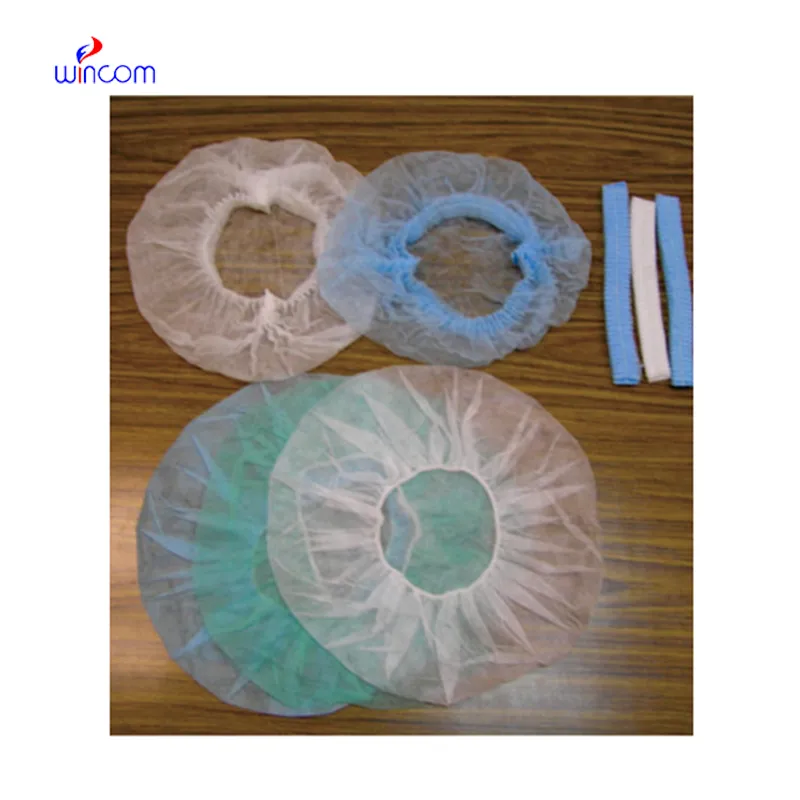
The medical cap possesses a rich history. Healthcare historians trace its early use back to religious and caregiving institutions. Nuns and early nurses wore head coverings for modesty and cleanliness. The cap quickly became a prominent symbol of discipline, cleanliness, and service. Patients recognized the wearer as a dedicated caregiver immediately.
Medical science advanced rapidly during the twentieth century. This progress brought widespread standardization across hospitals worldwide. Administrators required uniforms for better organization. We observe a clear decline in some regions versus continued use in others today. Western countries often reserve caps for surgery. Many developing nations still mandate them for daily ward duty.
Headwear traditions vary drastically around the world. We observe that major variations in design across Asia, Europe, and the Middle East. Local customs often shape these distinct visual elements. The strict influence of hospital policies and accreditation systems dictates these regional designs heavily.
Visual cues matter deeply in medicine. Uniforms, including caps, strongly influence patient confidence. A neat uniform projects competence and care. Studies document the psychological impact on the patient care experience. Patients feel safer when staff members look professional.
Hospitals are complex environments. Staff must excel at differentiating roles rapidly. Caps help identify a nurse, surgeon, or specialist instantly. Facilities frequently use specific color coding and design distinctions for this purpose. A blue cap might indicate a surgical nurse. A green cap might designate an attending physician.
A unified workforce projects strength. Administrators utilize caps as a core part of hospital branding and standardization. Custom colors align with the corporate identity of the clinic. This uniform practice succeeds at reinforcing professionalism in international healthcare environments.
remains the top priority in healthcare. Caps are absolutely essential for preventing hair contamination in sterile areas. A single stray hair can compromise a sterile field. Medical directors always stress their immense importance in operating rooms, ICUs, and laboratories.
Medical professionals work demanding hours. Garment designers must focus intently on breathability and ergonomic design. A tight cap causes headaches and distraction. Premium materials guarantee comfortable long-shift usability for healthcare staff.
Regulatory bodies monitor hospitals constantly. Facilities must show strict alignment with international hygiene protocols. Managers must analyze disposable versus reusable requirements carefully. Each choice carries different compliance rules.
The medical headwear market offers diverse solutions. The table below outlines the primary types.
Procurement specialists evaluate several factors. They check breathability and filtration efficiency rigorously. Poor filtration compromises safety. They also verify elastic durability and stitching quality to prevent tearing.
A top-tier medical protective headwear supplier provides verified documentation. They ensure complete CE, ISO, and FDA compliance. This rigorous paperwork holds profound importance for importers and distributors globally.
Departments face unique environmental challenges. Management must contrast the needs of the operating room versus the general ward versus the lab. Administrators must conduct a thorough risk-level assessment before ordering.
Finance teams track usage carefully. They perform a detailed disposable versus reusable cost comparison. They establish precise bulk consumption planning to avoid stockouts.
Wearer comfort impacts job performance. Facilities must provide adequate size options and reliable elastic design. Buyers must evaluate climate considerations for hot versus cold regions. Breathable caps suit tropical climates best.
The market shows tremendous growth. We notice massive post-pandemic procurement shifts. Hospitals stockpile essential gear now. Medical boards demand an increased focus on hygiene compliance globally.
Branding is highly popular today. Buyers frequently request logo printing and specific color customization. These demands create lucrative OEM/ODM opportunities for distributors. Distributors build their own brands this way.
Logistics dictate market success. Purchasing agents monitor lead times and production capacity strictly. They understand the sheer importance of reliable export partners. Delays cost hospitals money and compromise safety.
Quality matters deeply. A doctor surgical cap supplier implements standardized production processes. They use automated machines to ensure exact batch consistency for large orders.
Direct partnerships save money. Buyers gain significant factory-direct advantages. Factories offer flexible MOQ options to accommodate different clients. Purchasing non woven nurse caps bulk cuts operational costs dramatically.
International trade involves complex rules. An experienced factory manages handling international shipping and certifications effortlessly. They provide invaluable support for complex hospital tenders and institutional procurement.
The medical cap is indispensable. We must always reinforce the cap’s role in safety, professionalism, and trust. And we emphasize its vast importance for both hospitals and global distributors. We encourage immediate action by choosing reliable suppliers for long-term cooperation.
We warmly invite our readers to request a comprehensive product catalog today. You can also request free samples to test our quality. We gladly provide a competitive bulk quotation tailored to EXW, FOB, or CIF terms. We proudly include several vital trust signals to ensure your total confidence. These include our up-to-date global certifications. You can explore our premium headwear solutions directly at here: nurse cap .
It prevents hair contamination in sterile areas effectively. It also establishes a clear professional identity for the wearer.
Manufacturers typically use lightweight non-woven materials. The most common options include SMS and PP fabrics.
Hospitals utilize color coding and design distinctions. This simple visual system helps teams differentiate roles rapidly.
Buyers must carefully assess size options and elastic design. They must also prioritize breathability for long-shift usability.
Buyers must look for verified CE, ISO, and FDA compliance. These certifications verify alignment with international hygiene protocols.
E-mail: [email protected]
Tel: +86-731-84176622
+86-731-84136655
Address: Rm.1507,Xinsancheng Plaza. No.58, Renmin Road(E),Changsha,Hunan,China


 EN
EN
 af
af
 es
es
 ar
ar
 tr
tr
 sw
sw
 pt
pt
 th
th
 ur
ur
 bn
bn
 ne
ne
 vi
vi
 km
km
 lo
lo
 de
de
 ru
ru
 fi
fi
 nl
nl
 fa
fa
 fr
fr
 ko
ko