The operational design of stationary oxygen concentrator is mainly to keep the oxygen concentration at a constant level for medical use. Internal systems control the air movement and the separation processes to guarantee a trustworthy output. The device is used in hospitals in places where the oxygen is to be always available. Its performance features are such that they allow for daily clinical practices with no need for complex setting up. By generating oxygen that is always available, stationary oxygen concentrator makes it possible to carry out respiratory care effectively.
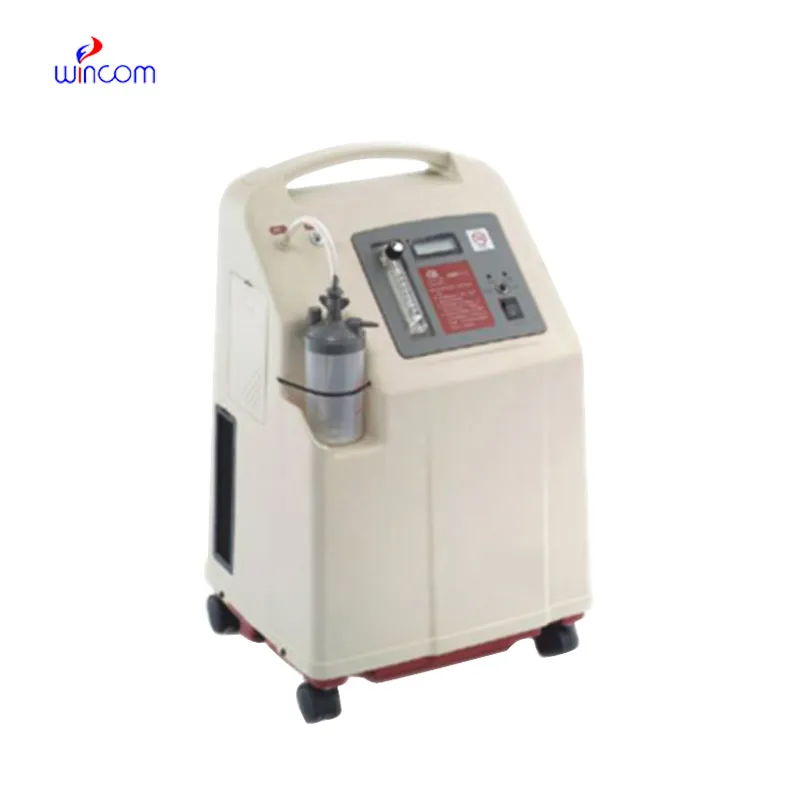
In rehabilitation departments, the stationary oxygen concentrator device is used as a support for patients in their physical and respiratory therapy sessions. Patients after lung related diseases could need extra oxygen in the course of their movement. The machine is giving out constant oxygen and at the same time letting the patient move around the therapy zone. Health workers keep an eye on how much the patient can tolerate and change the flow accordingly. This method helps the patient recover slowly and safely join rehabilitation programs.
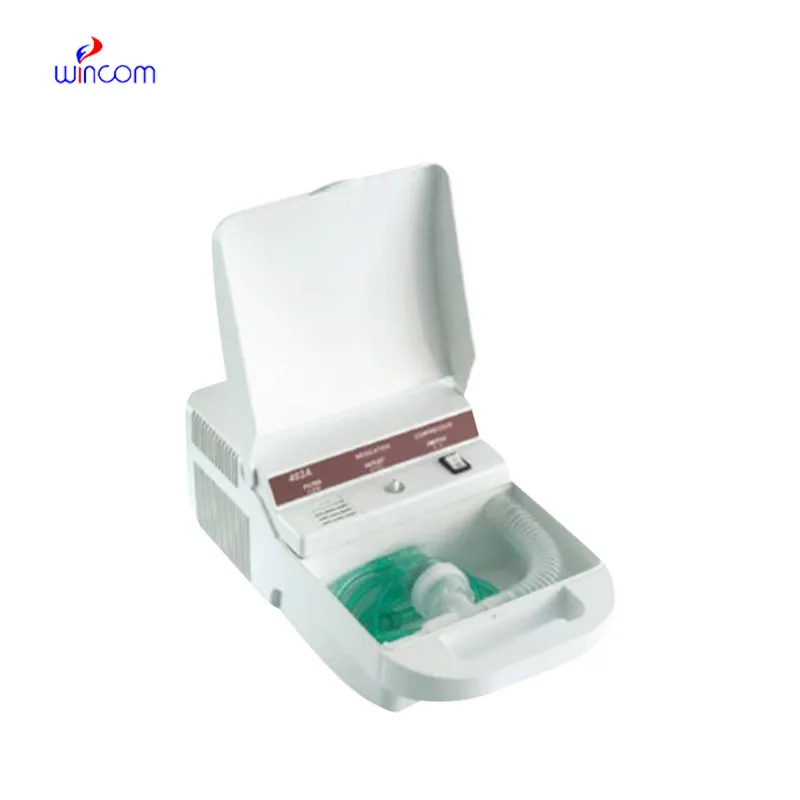
Portability is a probable factor that will determine the future of stationary oxygen concentrator in a hospital environment. By making the equipment lighter and adding better mobility features, it could be used in several departments. The hospitals might be able to make better use of one unit for the wards, diagnostic rooms, and recovery areas. The patient taking the one having the better portability will not have an issue making the oxygen output. This trend is an indication that medical devices, which can easily be used in different clinical settings, are becoming more prevalent amidst the rapid changes in the hospitals.
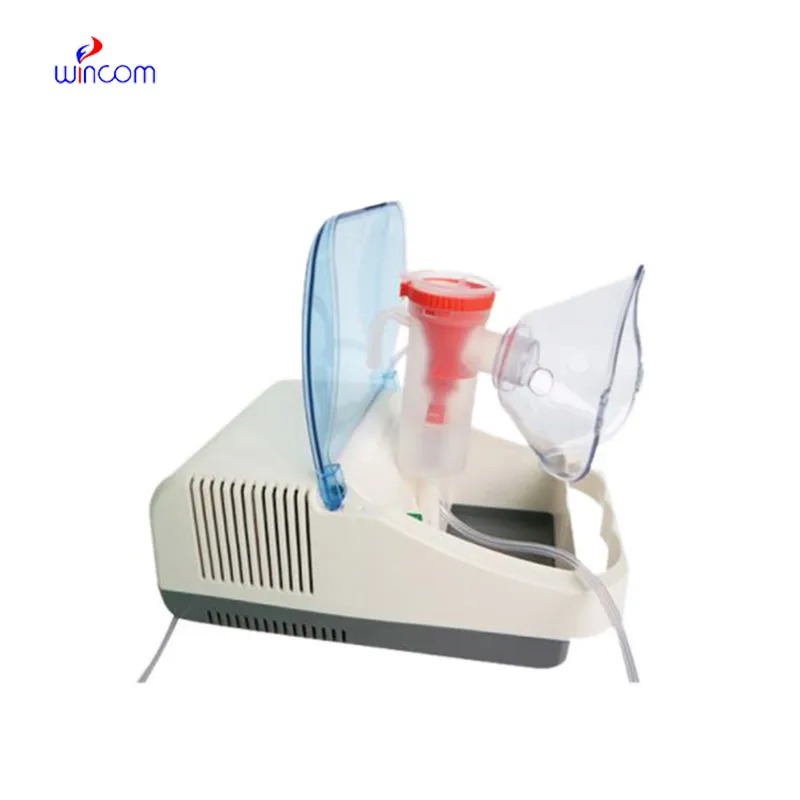
stationary oxygen concentrator involves the attention of both the internal and external parts in order to keep performance uniform. Cleaning the outside of the machine with hospital-grade disinfectants stops contamination from happening. The internal units like compressors and concentrator beds should have periodic inspections by trained technicians. Electrical systems along with the backup circuits should be checked at regular intervals so that service interruptions do not occur. All these maintenance strategies ensure that oxygen is continuously available in wards, recovery rooms, and outpatient clinics. Hospitals gain a lot from these routines in the form of lower rates of unplanned downtime and the ability to provide patient care under safe and stable operating conditions.
The stationary oxygen concentrator device is helpful in pediatric units for the administration of oxygen therapy adjusted to the needs of little patients. Children suffering from respiratory infections or having congenital diseases are often in need of exact oxygen support. The apparatus permits the controlled modification of oxygen flow corresponding to the clinical requirement. Its silent functioning aids in the creation of a soothing atmosphere suitable for the treatment of children. stationary oxygen concentrator guarantees safe therapy in the specialized hospital wards by providing soft and stable oxygen delivery.
Q: How is patient safety ensured during use? A: Oxygen levels are maintained safely through the use of continuous monitoring, alarms, and adjustable flow rates. Q: What are the patients who are the most important beneficiaries of an Oxygen Concentrator? A: Those with chronic lung-related conditions, post-operative oxygen therapy or acute respiratory distress. Q: Is it possible for the device to be used in outpatient clinics? A: Certainly. It offers oxygen therapy for short-term treatments or diagnostic procedures. Q: Is the device not needing professional servicing? A: Routine inspections and maintenance should be performed by trained biomedical technicians to ensure proper function and avoid problems. Q: How does the device affect the hospital workflow positively? A: It provides continuous reliable oxygen supply thus eliminating the need for frequent cylinder replacement, which minimizes the whole manual handling process and also reduces interruptions in the supply of the gas.
The centrifuge operates quietly and efficiently. It’s compact but surprisingly powerful, making it perfect for daily lab use.
This ultrasound scanner has truly improved our workflow. The image resolution and portability make it a great addition to our clinic.
To protect the privacy of our buyers, only public service email domains like Gmail, Yahoo, and MSN will be displayed. Additionally, only a limited portion of the inquiry content will be shown.
I’m looking to purchase several microscopes for a research lab. Please let me know the price list ...
Could you please provide more information about your microscope range? I’d like to know the magnif...
E-mail: [email protected]
Tel: +86-731-84176622
+86-731-84136655
Address: Rm.1507,Xinsancheng Plaza. No.58, Renmin Road(E),Changsha,Hunan,China


 EN
EN
 af
af
 es
es
 ar
ar
 tr
tr
 sw
sw
 pt
pt
 th
th
 ur
ur
 bn
bn
 ne
ne
 vi
vi
 km
km
 lo
lo
 de
de
 ru
ru
 fi
fi
 nl
nl
 fa
fa
 fr
fr
 ko
ko