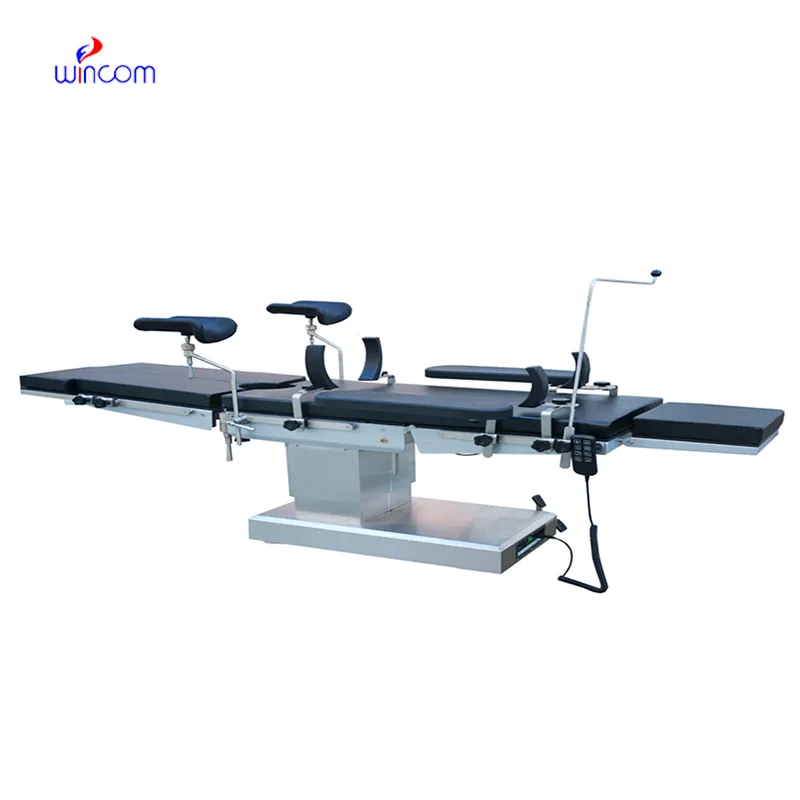
The low hospital bed offers high-level adjustability and structural stability. It is typically a multi-section platform with independent positioning of the head, knee, and foot sections. The wheels of the low hospital bed are equipped with central brakes for secure positioning when in use. In consideration of long-term application, its framework is rust-coated for durability, good appearance, and hygiene. This equipment enhances comfort while maintaining professional medical standards.
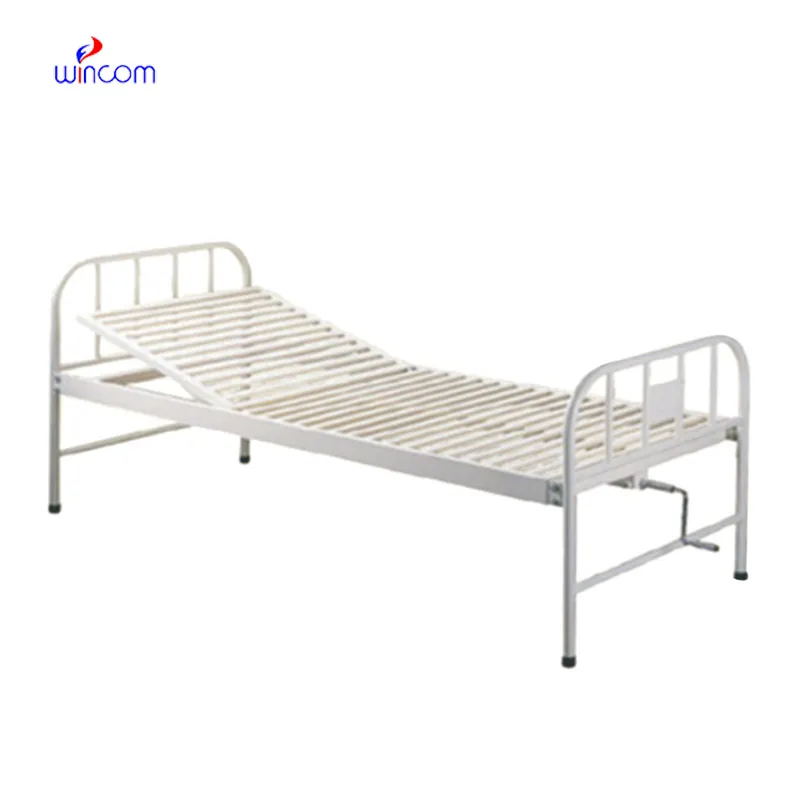
Hospitals today use the low hospital bed for offering a range of medical functions like intensive care, recovery after maternity, and rehabilitation. The low hospital bed allows for secure and comfortable patient positioning for diagnosis, treatment, and sleeping. The low hospital bed may be used with medical equipment for monitoring in real-time. In home care, it provides patients recovering from chronic disease or surgery with mobility. This gadget allows better outcomes by making it easy and accurate for caregivers to provide daily care.
The future low hospital bed innovation will be focused on being capable of integrating with intelligent healthcare systems effortlessly. It will be equipped with inbuilt sensors and cameras for non-invasive monitoring, enabling AI-driven health check-ups. The low hospital bed will automatically adjust for sleep quality, temperature, and circulation. Remote diagnostics will allow technicians to plan maintenance schedules. With these features, the low hospital bed will be a critical component of intelligent patient management systems.
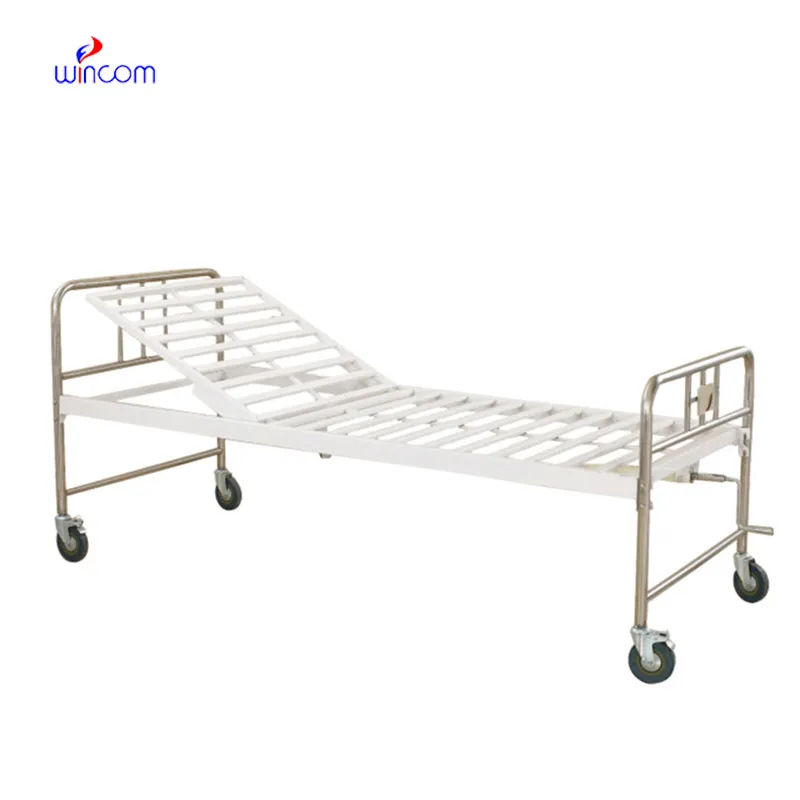
Maintenance of the low hospital bed plays an important role in performance and safety. Regular inspection of bolts, motors, and casters ensures that all parts are functional. Wiping the surface after each use is essential to maintaining hygiene standards. The low hospital bed should undergo a load test to determine structural strength. Electrical components should be clear of dust accumulation, and regular maintenance should be performed to avoid sudden breakdowns.
The low hospital bed is a key instrument in patient care, providing comfort, adaptability, and reliability. It can be adjusted for head, leg, and height position to fit medical procedures or reclining. The low hospital bed is equipped with guard rails for protection and lockable wheels for safety and mobility. Its ergonomic shape reduces caregivers' fatigue and facilitates patient recovery. Applicable in hospitals, rehabilitation centers, or home settings, the low hospital bed promotes comfort and facilitates more efficient care practices.
Q: Why is adjustability important in a hospital bed? A: Adjustability allows patients to find comfortable positions and helps caregivers perform medical tasks more efficiently. Q: How do hospital beds help maintain hygiene? A: Smooth, easy-to-clean surfaces and disinfectant-safe materials prevent contamination and ensure cleanliness. Q: What function do casters serve in a hospital bed? A: Casters provide easy movement, allowing quick repositioning or transfer of patients within the facility. Q: How do hospital beds support patient recovery? A: By reducing pressure points and supporting posture, hospital beds promote circulation and aid faster recovery. Q: Are there different types of hospital beds? A: Yes, hospital beds come in manual, semi-electric, and fully electric models to meet diverse medical needs.
This ultrasound scanner has truly improved our workflow. The image resolution and portability make it a great addition to our clinic.
We’ve been using this mri machine for several months, and the image clarity is excellent. It’s reliable and easy for our team to operate.
To protect the privacy of our buyers, only public service email domains like Gmail, Yahoo, and MSN will be displayed. Additionally, only a limited portion of the inquiry content will be shown.
I’d like to inquire about your x-ray machine models. Could you provide the technical datasheet, wa...
Hello, I’m interested in your centrifuge models for laboratory use. Could you please send me more ...
E-mail: [email protected]
Tel: +86-731-84176622
+86-731-84136655
Address: Rm.1507,Xinsancheng Plaza. No.58, Renmin Road(E),Changsha,Hunan,China


 EN
EN
 af
af
 es
es
 ar
ar
 tr
tr
 sw
sw
 pt
pt
 th
th
 ur
ur
 bn
bn
 ne
ne
 vi
vi
 km
km
 lo
lo
 de
de
 ru
ru
 fi
fi
 nl
nl
 fa
fa
 fr
fr
 ko
ko