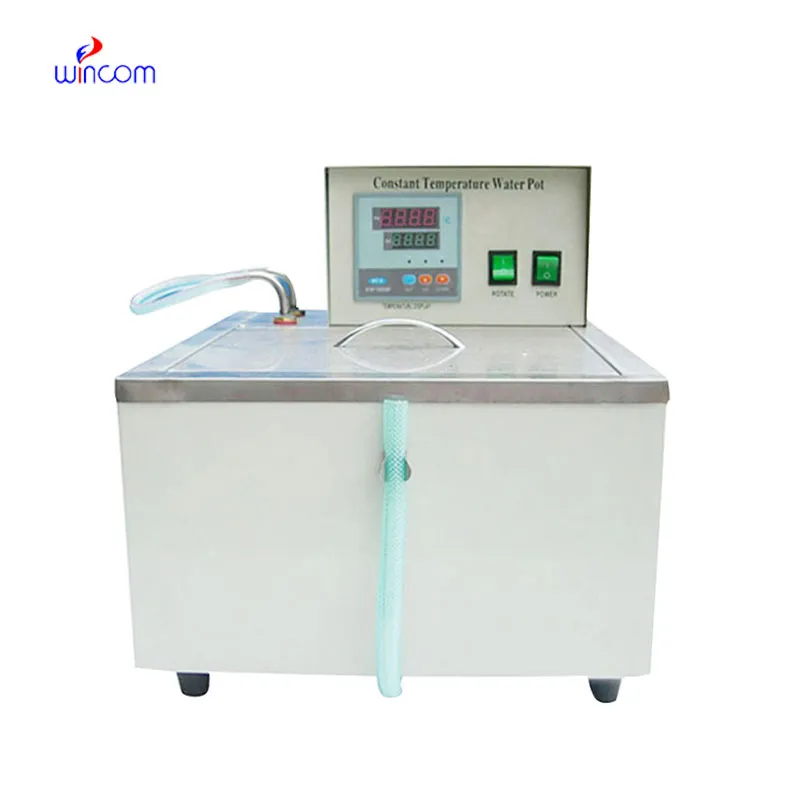
The digital circulating water baths is designed with reliable temperature control and stable performance in consideration. It has even heating properties that qualify it as a requirement for accurate laboratory testing. The digital temperature controller ensures a safe operation, while the insulated body ensures thermal efficiency. The digital circulating water baths has safety features such as automatic shut-off and overheat protection. Its corrosion-proof stainless steel chamber offers durability for a long period and easy cleaning. Small in size but very effective, the digital circulating water baths can be used for a wide variety of laboratory applications where consistent heat and reproducibility are required.
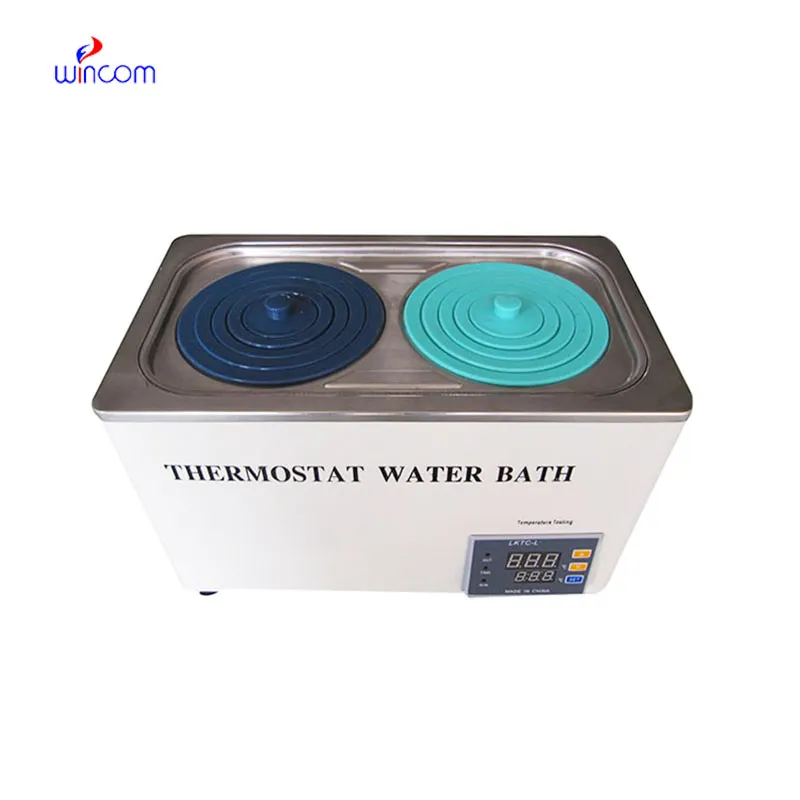
The digital circulating water baths is used worldwide in analytical, educational, and industrial laboratories. It offers regulated temperature conditions for the incubation of samples, preheating of reagents, and testing of materials. In biotechnology, the digital circulating water baths offers ideal temperatures for enzyme and cell-catalyzed reactions. It is also applied in the manufacture of pharmaceuticals to offer reliable heat in tests. As a result of its precise and consistent control of temperature, the digital circulating water baths ensures the reproducibility of experiments and is hence an essential tool in temperature-sensitive laboratory operations.
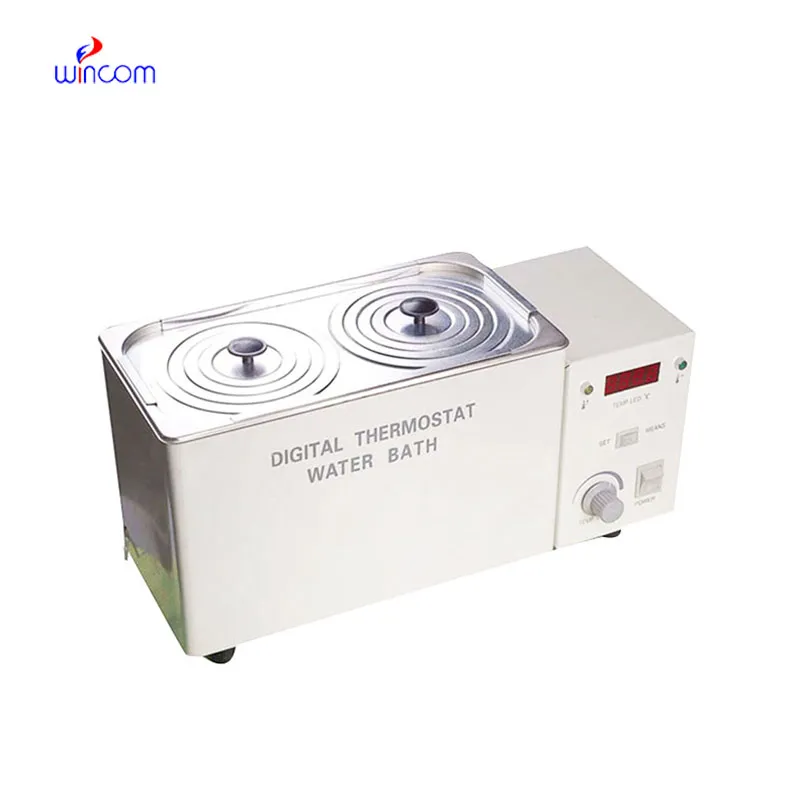
Future digital circulating water baths will be altered by smart control systems and greater connectivity. The new designs will include self-regulating thermal technology that will be able to change heat automatically based on sample requirements. The addition of wireless communication will allow scientists to observe temperature performance in real-time. The digital circulating water baths will also be greener, with the use of materials that minimize energy wastage and environmental impact. The innovation will improve laboratory productivity and facilitate more complex scientific experimentation.

Maintenance of the digital circulating water baths on regular basis is a requirement for good performance in temperature and longevity. Scaling and corrosion in the chamber are avoided by regular cleaning. It's best to replace the water after every other day, especially for continuous use. At the intervals, the heating elements and thermostat should be inspected for breakdown or wear. Use gentle cloths and mild soaps to avoid scratching the surface. In normal servicing, the digital circulating water baths remains functional and continues to meet laboratory standards year by year.
The digital circulating water baths is a heat-controlled device from which researchers are able to maintain specimens at specified temperatures. The efficient heat transfer process of the device allows for uniform temperature throughout the chamber. In life science, chemistry, and food testing facilities, the digital circulating water baths is generally used in the processes such as sample incubation and reagent melting. With a strong focus on precision and safety, it has top-of-the-line thermal control to offer stable performance in a variety of different research settings.
Q: What types of laboratory work benefit from using a water bath? A: Water baths are used in microbiology, chemistry, and biotechnology for incubating samples, warming reagents, and melting substances safely. Q: How can contamination be prevented inside a water bath? A: Cleaning the tank regularly, using distilled water, and covering the bath when not in use can significantly reduce contamination risk. Q: Is it safe to leave a water bath running overnight? A: It is generally safe for models with over-temperature protection, but regular supervision and adherence to manufacturer guidelines are strongly advised. Q: What causes uneven heating in a water bath? A: Uneven heating may result from improper circulation, incorrect water level, or malfunctioning heating elements. Q: Why is it important to monitor the water level in a bath? A: Maintaining an adequate water level prevents damage to heating elements and ensures consistent thermal contact with the samples.
I’ve used several microscopes before, but this one stands out for its sturdy design and smooth magnification control.
The microscope delivers incredibly sharp images and precise focusing. It’s perfect for both professional lab work and educational use.
To protect the privacy of our buyers, only public service email domains like Gmail, Yahoo, and MSN will be displayed. Additionally, only a limited portion of the inquiry content will be shown.
We’re looking for a reliable centrifuge for clinical testing. Can you share the technical specific...
Hello, I’m interested in your water bath for laboratory applications. Can you confirm the temperat...
E-mail: [email protected]
Tel: +86-731-84176622
+86-731-84136655
Address: Rm.1507,Xinsancheng Plaza. No.58, Renmin Road(E),Changsha,Hunan,China


 EN
EN
 af
af
 es
es
 ar
ar
 tr
tr
 sw
sw
 pt
pt
 th
th
 ur
ur
 bn
bn
 ne
ne
 vi
vi
 km
km
 lo
lo
 de
de
 ru
ru
 fi
fi
 nl
nl
 fa
fa
 fr
fr
 ko
ko