The structure of color coded blood collection tubes has been improved to suit both clinical and laboratory applications. Sealing, sterilization, and pre-added substances keep blood samples in their most stable form. Besides, they are used in hospitals for several purposes such as preventing clotting, keeping cellular components alive, and facilitating accurate diagnostic tests. The standardization of their sizes and the color-coded caps used for them help in easy identification and also minimize pre-analytical errors. The integration of color coded blood collection tubes with laboratory instruments like centrifuges and analyzers results in improved workflow and reliable results. These tubes are indispensable in both hospitals and research laboratories as they help maintain the accuracy and efficiency of the processes.

The use of color coded blood collection tubes in emergency departments is vital for quickly taking blood samples in acute care situations. Immediate tests for coagulation, electrolytes, and blood gases are required for patients who have undergone trauma, are suffering from severe infections, or have heart problems. The use of color-coded caps allows the rapid selection of the right tube by the clinicians, while the vacuum-based designs allow for safe and efficient sample collection. Tubes are allowed to be directly transported to the hospital laboratories for prompt analysis. The color coded blood collection tubes application guarantees that the essential blood samples would be unpolluted and well-preserved, hence, making the rapid diagnostic decision-making process that could save the lives of patients in the high-pressure hospital environments.
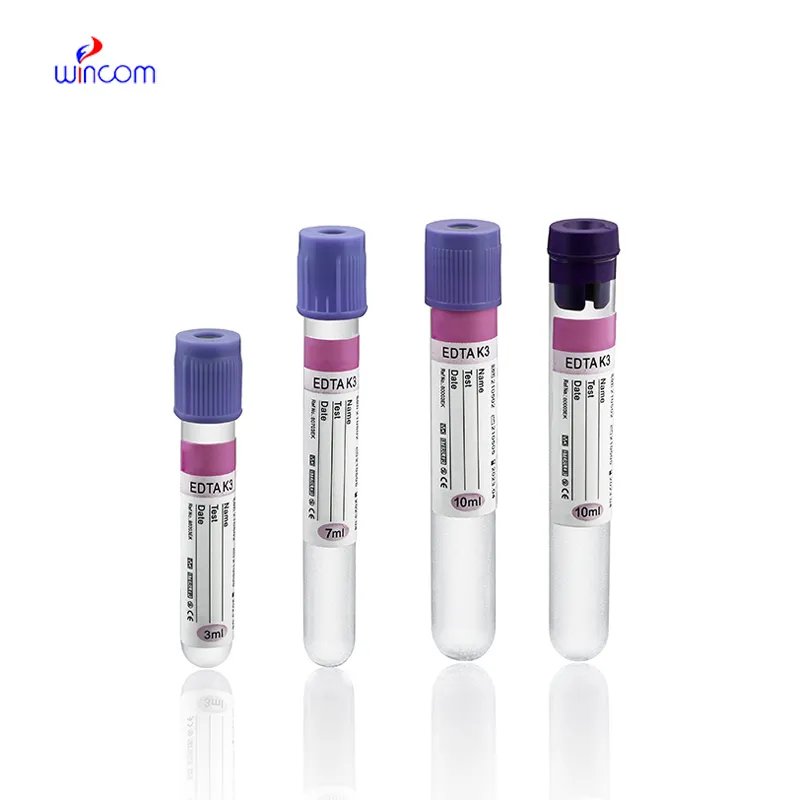
The future of color coded blood collection tubes might put a stronger focus on environmental sustainability besides clinical performance. The hospitals might use tubes manufactured from recyclable or biodegradable elements that allow for no compromise on sterility or chemical stability. Furthermore, the smart designs with integrated tracking, additive optimization, and automated analyzer compatibility will facilitate laboratory work a lot more. Through the synergy of eco-friendly construction and technological enhancements, the upcoming color coded blood collection tubes will not only comply with regulatory requirements but also lower laboratory waste and continue to deliver precise and trustworthy sample processing for both routine diagnostic and advanced hospital research applications.

The proper upkeep of color coded blood collection tubes necessitates close supervision of the conditions and practices of storage and using them. Ultraviolet light, which can damage certain additives, must not shine on the tubes. Hospitals in most cases have a practice of doing regular quick eye examinations before the use of tubes to detect any faults. The storage systems must be designed such that they do not put any physical strain on the tubes but at the same time allow easy access. The observance of hygiene rules by the staff also minimizes the contamination risk. All these practices together make color coded blood collection tubes reliable for daily laboratory operations and clinical testing sectors.
Automated laboratory in hospitals heavily depend on color coded blood collection tubes that are suitable for centrifuges, analyzers and barcode scanning systems. The process of automation demands the use of tubes that have uniform volume and stable chemical properties. In hectic clinical labs, these tubes help in processing the samples quickly by cutting down the number of hands that handle the sample and keeping the contamination risks low. Information systems in the laboratory can monitor every color coded blood collection tubes for the patient's name and testing history. The commonality in the use of the tubes enables hospitals to provide high-volume testing with accurate results in hematology, biochemistry and immunology domains that, in turn, facilitates the management of the workflow and the attainment of the reliable diagnostic outcomes.
Q: What is a Blood Collection Tube used for? A: A Blood Collection Tube is used to collect and preserve blood samples for laboratory testing in hospitals and clinical laboratories. Q: Why do Blood Collection Tubes have different cap colors? A: The various colors of the caps show the specific additives that are meant for different diagnostic tests. Q: Are Blood Collection Tubes sterile? A: Absolutely, these tubes are produced in very tight sterile environments to keep them contamination-free. Q: Can Blood Collection Tubes be reused? A: The tubes are disposable and per patient use only, which is a measure to keep the patient safe and ensure the accuracy of the test. Q: How should Blood Collection Tubes be stored before use? A: Blood Collection Tubes should be stored in a recommended temperature range that is clean and dry.
The water bath performs consistently and maintains a stable temperature even during long experiments. It’s reliable and easy to operate.
This ultrasound scanner has truly improved our workflow. The image resolution and portability make it a great addition to our clinic.
To protect the privacy of our buyers, only public service email domains like Gmail, Yahoo, and MSN will be displayed. Additionally, only a limited portion of the inquiry content will be shown.
Hello, I’m interested in your centrifuge models for laboratory use. Could you please send me more ...
We’re interested in your delivery bed for our maternity department. Please send detailed specifica...
E-mail: [email protected]
Tel: +86-731-84176622
+86-731-84136655
Address: Rm.1507,Xinsancheng Plaza. No.58, Renmin Road(E),Changsha,Hunan,China


 EN
EN
 af
af
 es
es
 ar
ar
 tr
tr
 sw
sw
 pt
pt
 th
th
 ur
ur
 bn
bn
 ne
ne
 vi
vi
 km
km
 lo
lo
 de
de
 ru
ru
 fi
fi
 nl
nl
 fa
fa
 fr
fr
 ko
ko