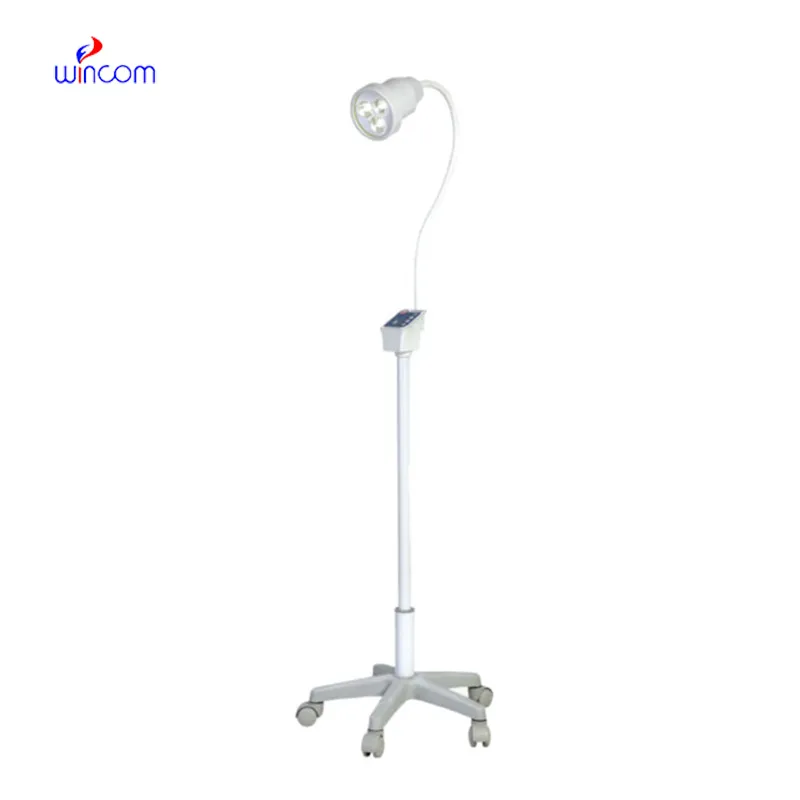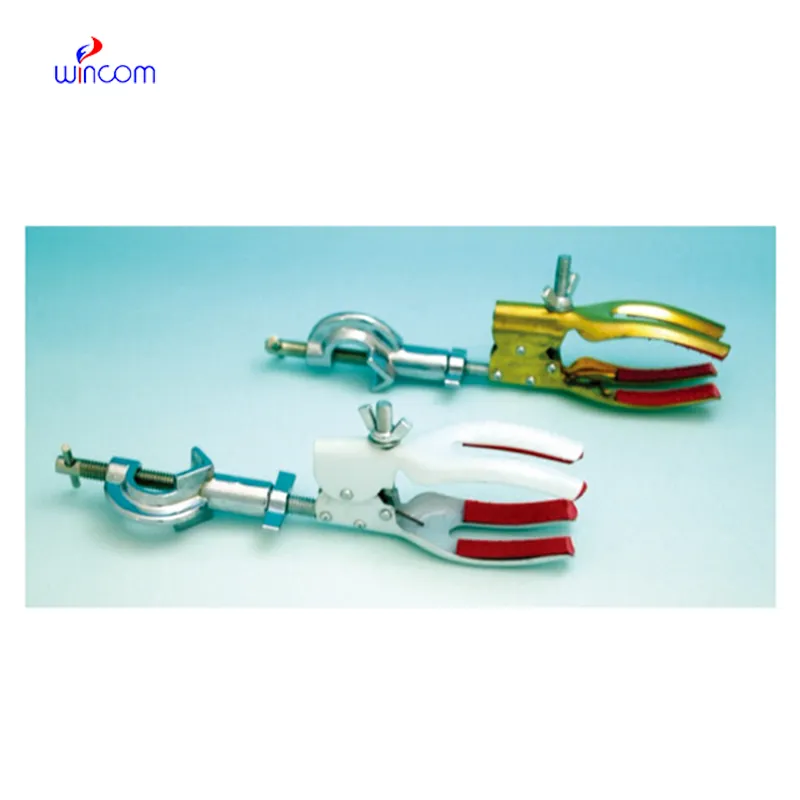
Being a crucial device for monitoring patients medically, the Veterinary Monitor offers a simultaneous ECG and vital signs display for patient evaluation. The apparatus aids in the acquisition of stable signals and the depiction of clear waveforms, which enable the medical personnel to keep track of the physiological trends very effectively. Its usage is not limited to one department only, but rather, it is found throughout the hospital where continuous monitoring and data review are done consistently during diagnosis, treatment, and recovery.
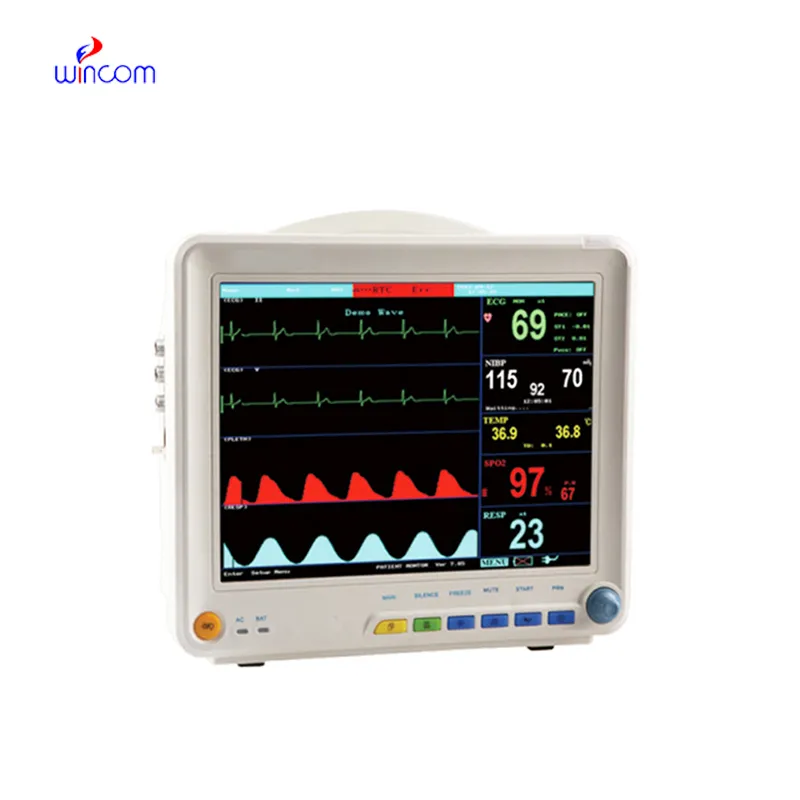
Veterinary Monitor is being used in cardiac diagnostic departments for the purpose of short-term monitoring and diagnosis. ECG recordings are very helpful in making the cardiovascular evaluation during testing and follow-up visits. This particular use of the technology helps the doctors to gather organized heart data in a controlled environment which in turn helps the diagnostic processes in the hospital.
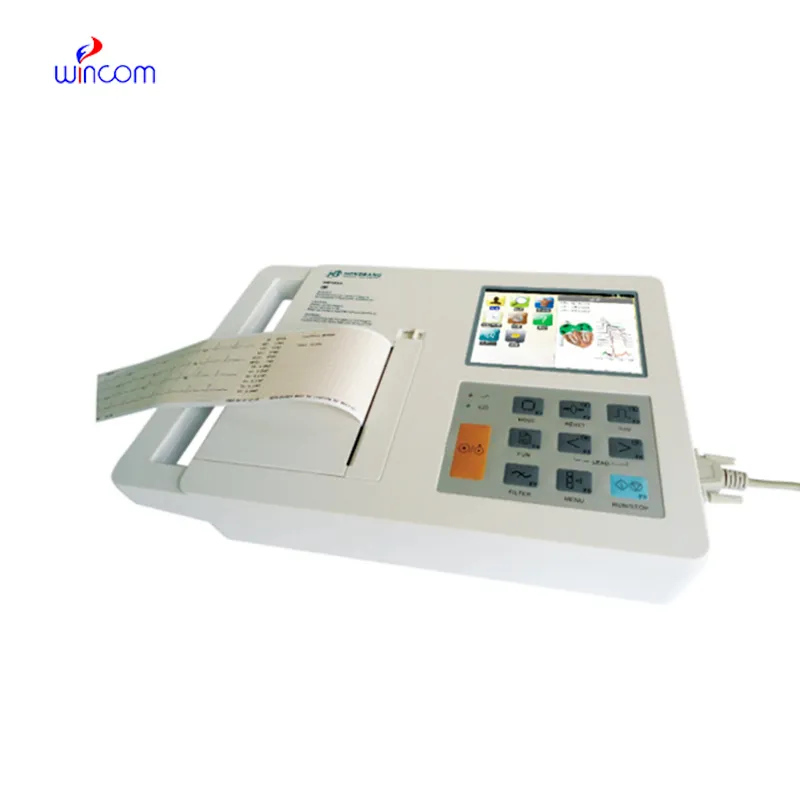
Veterinary Monitor will be the topic of future research and their variations will be able to serve at the same time at different hospital departments. Modular structures are possible to convert from ICU, general wards, and outpatient monitoring. The modernized system through this flexibility will be able to maintain its performance and monitoring standards evenly throughout different clinical environments.
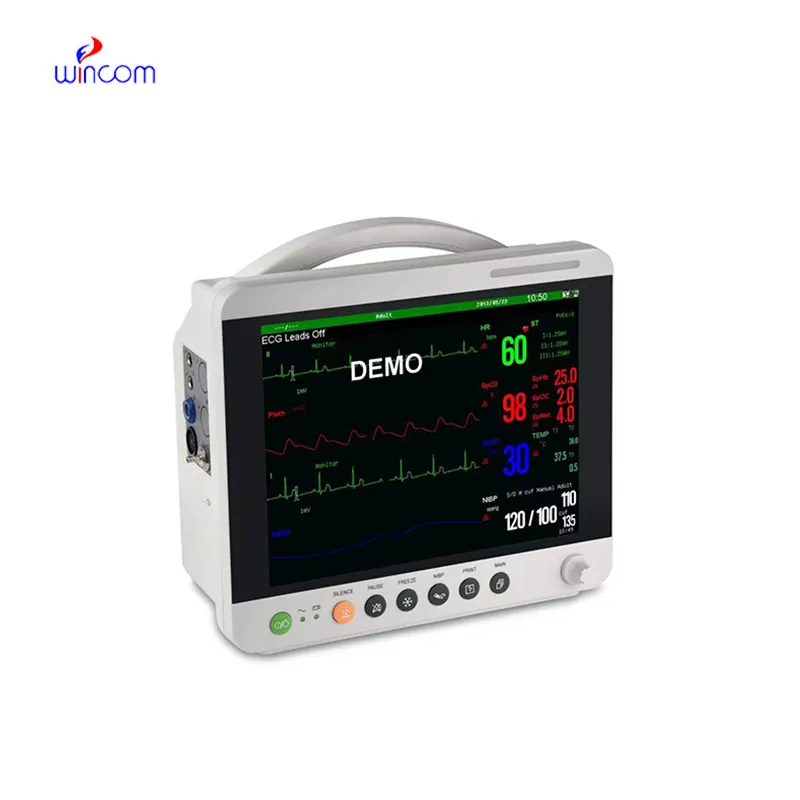
Veterinary Monitor care comprises of routinely checking the proper function of alarms and clarity of the display. Electrodes and leads are to be checked if they are already worn and cables that are attached should be tight to prevent accidental disconnection. The device has to be switched off following the advised methods to safeguard against unexpected power surges. The hospital staff by their regular inspection and cleaning keep Veterinary Monitor in the state of accurate monitoring, cutting down on the operational interruptions and at the same time the patient safety during the long hospital monitoring periods is improved.
The term Veterinary Monitor is often utilized in the areas where post-operative recovery takes place for the purpose of tracking the stability of patients after surgical procedures. The uninterrupted ECG monitoring helps the healthcare professionals to analyze the heart rhythm patterns during the period of anesthesia recovery. The mixture of vital signs monitoring guarantees the steady and reliable assessment of the patient's condition, thus, reducing the uncertainty in the clinic. Its use in recovery rooms makes the change from surgery to the normal care easier.
Q: Can a Patient Monitor & ECG catch arrhythmias? A: Yes, the monitoring of ECG in real-time will quickly reveal the presence of irregular heartbeats. Q: Are Patient Monitor & ECG devices easy to move around? A: A lot of the models are easy to move around, so they can be used at the bedside and in mobile applications in the hospital. Q: What is the impact of environmental factors on Patient Monitor & ECG? A: The accuracy of the device can be influenced by very high or very low temperatures, strong magnetic fields, or vibrating surfaces. Q: Is it a proper outpatient clinic device? A: Yes, it is good for routine cardiovascular assessment and short-term monitoring usage. Q: A Patient Monitor & ECG can be used in research, won't it? A: Yes, it is used for physiological studies and clinical trials in hospitals and laboratories.
The delivery bed is well-designed and reliable. Our staff finds it simple to operate, and patients feel comfortable using it.
I’ve used several microscopes before, but this one stands out for its sturdy design and smooth magnification control.
To protect the privacy of our buyers, only public service email domains like Gmail, Yahoo, and MSN will be displayed. Additionally, only a limited portion of the inquiry content will be shown.
We are planning to upgrade our imaging department and would like more information on your mri machin...
We’re currently sourcing an ultrasound scanner for hospital use. Please send product specification...
E-mail: [email protected]
Tel: +86-731-84176622
+86-731-84136655
Address: Rm.1507,Xinsancheng Plaza. No.58, Renmin Road(E),Changsha,Hunan,China


 EN
EN
 af
af
 es
es
 ar
ar
 tr
tr
 sw
sw
 pt
pt
 th
th
 ur
ur
 bn
bn
 ne
ne
 vi
vi
 km
km
 lo
lo
 de
de
 ru
ru
 fi
fi
 nl
nl
 fa
fa
 fr
fr
 ko
ko